APtravelnews-March, 4th, Crossville, TN.-The word from our other neck of the woods (we are snow-birds, FL. winter, TN. Spring, Summer, Fall) is that tragically, 30 people died from the recent horrendous weather TN. has experienced. We got our power back at the farm rather quickly after the storm almost two weeks ago, many other thousands have just now gotten their power back. Most people have electric heat and it was quite a drain on folks to just stay warm. Well, Gore was right; climate change and the heating of the planet Mars is now on-going! Whew! Many, many people would have wished he was correct about earth this past week.
One thing for sure, I’ve heard from my talking horse, Miss Kitty, that Barb and I have enough downed trees and limbs on our farm to keep our two chainsaws busy for a month. The benefit side is we do burn wood, the downside as we are getting a bit older now is cutting wood and stacking it warms you twice; when you cut it and stack it and when you finally burn it! But, that’s OK! This is how I get some great exercise and lose that weight I gain when eating at restaurants for this website.
 Aptravelnews-March 4th,-Port St. Lucie, FL-Bob n Barb “Stopping to Smell the Roses”--This morning we headed to Bob Evans this morning for breakfast. Once in awhile, we enjoy eating out. So today we decided to try the large chain, but family owned, (we do not write about chain, “big boxes” unless they are great, and none of them are great, just some very good ones) Bob Evans Restaurant in Port St Lucie West, Florida. Omelettes and crepes and one thing for sure, coffee was hot and the orange juice tasted like orange. We certainly enjoyed our experience here. We told the manager that we can recommend this restaurant to anyone we know, yes we certainly can! We had Blueberry Crepes, and a Farm Omelette with mushrooms and spinach-delicious! Their grits were great, and a taste of their pancakes too, convinced me that we can always go back!
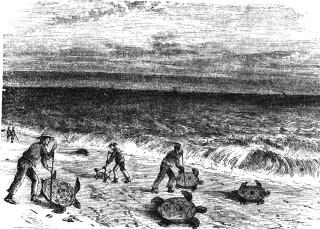
APtravelnews-March 3rd,—A news release from MyFWC.com/Research: It can be thrilling to watch a sea turtle crawl onto the beach at night and dig a large hole in the sand to lay dozens of eggs. Just remember that “Do not disturb” is the best behavior to follow when observing a nesting sea turtle. The Florida Fish and Wildlife Conservation Commission (FWC) asks people not to get too close, shine lights on, or take flash photos of nesting sea turtles.Spring is the beginning of sea turtle nesting season in Florida. From now through the end of October, thousands of sea turtles will land on Atlantic and Gulf coast beaches to lay their eggs. With Florida hosting one of the largest loggerhead nesting aggregations in the world, this becomes an opportunity for residents and visitors to play an important role in conserving these long-lived reptiles. People can help by taking turtle-friendly precautions on the beach. “Take care when you’re on a Florida beach at night and do not disturb the nesting sea turtles,” said Dr. Robbin Trindell, who leads the FWC’s sea turtle management program. “People can help save threatened and endangered sea turtles by giving them enough space and privacy to safely and successfully lay their eggs. It’s as simple as keeping your distance and avoiding shining lights or taking flash photos of the nesting sea turtles.” Loggerheads, leatherbacks and green turtles are the primary species of sea turtles that nest in the Sunshine State. Loggerheads had another good nesting year in 2014 with 86,870 nests recorded statewide.
“Conservation actions of Floridians and visitors to the state may have contributed to the general upward trend in sea turtle nest numbers in recent years. That’s wonderful news for the sea turtles,” said Trindell. “However, these species still face significant threats during their long-distance oceanic migrations. Whatever we can do to help our sea turtles will make a difference.”
Ways to protect nesting sea turtles and their hatchlings:
Support Florida’s sea turtles by purchasing the “Helping Sea Turtles Survive” license tag at BuyaPlate.com. Tag funds go toward sea turtle research, rescue and conservation efforts. People also can donate $5 and receive an FWC sea turtle decal. For decals or to learn more about sea turtles, go to MyFWC.com/SeaTurtle.
To see 2014 statewide nesting totals, go to then click on “Wildlife” and “Sea Turtles” and then “Nesting.”